James Donner
27 January 2017
Deploying The Canonical Distribution of Kubernetes onto AWS
This week, we announced the availability of release 1.5.2 of The Canonical Distribution of Kubernetes. This is a pure upstream kubernetes developed in collaboration with Google that works across all major public clouds and private infrastructure.
We’re excited for people to try out the Canonical Distribution of Kubernetes, so we’ve put together an in depth tutorial video on how to get started. In this video, Canonical’s cloud community liaison – Jorge Castro, will walk you through the process of getting kubernetes up and running quickly and easily onto AWS using conjure-up from Canonical.
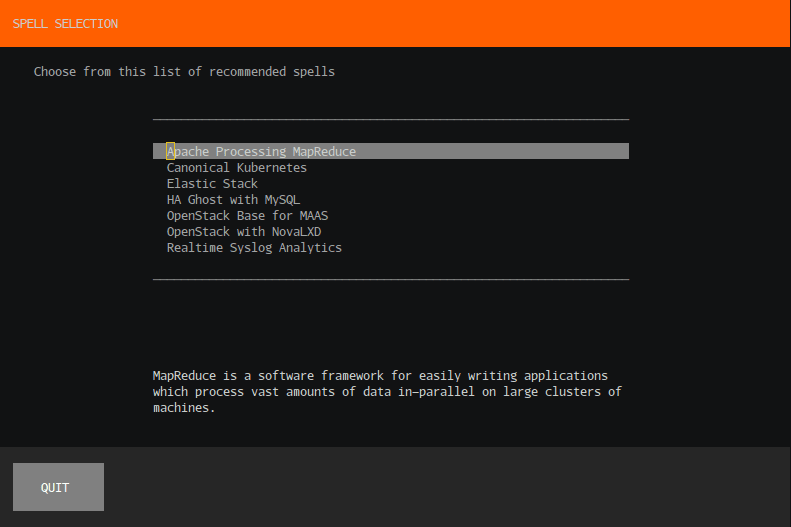
Conjure-up is a power tool for getting started with big software. It lets you summon up a big-software stack as a “spell” – a model of the stack, combined with extra know-how to get you from an installed stack to a fully usable one. Conjure-up uses our service modeling tool Juju to make this possible.
Looking for more help?
We recommend using this page for all resources relating to Kubernetes on Ubuntu. Here you can find official documentation, operational guides, developer guides, and further resources to keep in touch.